
Commercial Auto Insurance for Indiana Businesses and Fleets
If your vehicles are working for your business, your personal auto policy isn't working hard enough to cover them. Indiana law requires commercial auto insurance for vehicles used primarily for business purposes — and the gap between what a personal policy covers and what a work-related accident can cost is wider than most business owners realize. At Ci Insurance, we review your actual operations, compare options across multiple carriers, and make sure every vehicle in your business is covered the way it needs to be.
From military service to legal service
Most personal auto policies contain a business-use exclusion. That means if you're driving your own vehicle for work — making deliveries, visiting job sites, transporting equipment or clients — and you're involved in an accident, your personal insurer can deny the claim. It doesn't matter how long you've been a customer or how clean your record is. The exclusion exists, and one work trip without the right coverage is one too many.
A commercial auto policy, or in some cases a commercial endorsement added to a personal policy, closes that gap. We'll tell you exactly where your personal policy stops protecting you and what it takes to fill that gap based on how your vehicles are actually used.
What Commercial Auto Insurance Covers
Commercial auto insurance is built around the realities of business use — higher mileage, heavier loads, multiple drivers, and greater liability exposure than a personal vehicle carries. Coverage typically includes:
- Liability coverage for bodily injury and property damage caused by your business vehicle
- Collision and comprehensive coverage for your owned commercial vehicles
- Uninsured and underinsured motorist coverage
- Medical payments coverage for drivers and passengers
- Hired and non-owned auto coverage for vehicles your business uses but doesn't own
- Coverage for specialized equipment or modifications on work vehicles
The right combination depends on your industry, how many vehicles you operate, who drives them, and what they carry. We build the policy around your operation — not a generic template.
Fleet Coverage: One Policy, Every Vehicle, One Renewal Date
If your business operates more than one vehicle, managing individual policies for each one creates unnecessary complexity and often higher per-vehicle costs. A fleet policy bundles your commercial vehicles under a single policy with one renewal date, consolidated billing, and coverage that scales as your fleet grows.
Fleet insurance is particularly relevant for contractors, delivery operations, service businesses with multiple technicians on the road, and agricultural operations running trucks, trailers, and other work vehicles across Jasper County and Lake County. As an independent agency, we compare fleet options across carriers to find the structure that fits your vehicle count, driver roster, and risk profile — rather than defaulting to whatever one company offers.

Commercial Vehicles Carry Commercial Risk
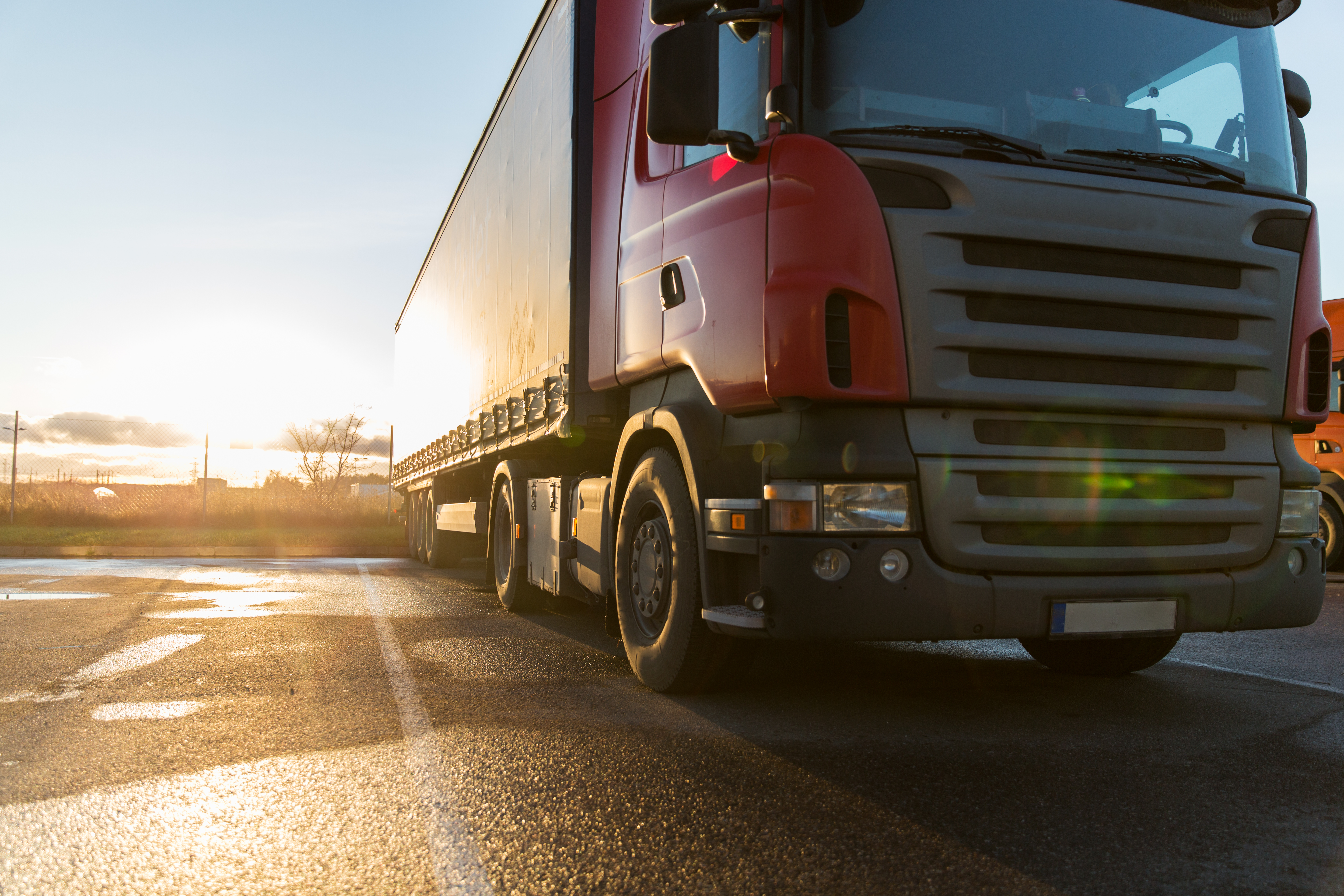
The liability exposure on a commercial vehicle is categorically different from a personal one. A commercial truck or van involved in a serious accident can generate claims that exceed standard personal auto limits many times over. The cost of carrying adequate commercial liability limits is a fraction of what a single underinsured claim can do to a business.
We review your coverage limits against the actual risk profile of your operations — the types of vehicles you run, the routes they travel, the cargo they carry, and the size of your driver pool. Our goal is to make sure your limits match your exposure, not just meet the state minimum.
Serving Businesses Across Northwest Indiana
Ci Insurance has been serving businesses in Jasper County and Northwest Indiana since 1953, with offices in Rensselaer, DeMotte, and Lowell. Our Lowell location serves businesses throughout Lake County and the surrounding commercial corridors, where commercial auto and fleet coverage are among the most frequently needed lines for contractors, trades, and distribution operations.
We're also familiar with the overlap between commercial auto and farm operations. Agricultural contractors, grain haulers, and farm businesses running trucks and trailers across multiple operations often benefit from coordinated coverage that bridges commercial auto and farm insurance. We handle both, and we can structure coverage so nothing falls between the two.
Ready to Have This Handled for You?
Many homeowners reach this point after researching deductibles, hail coverage, and policy language online. The next step is having this reviewed by a local team that handles Cheyenne homeowners insurance every day and can compare options clearly.
Get the Right Coverage for Your Business Vehicles
Does my personal auto insurance cover my work vehicle in Indiana?
Not if the vehicle is used primarily for business purposes. Indiana law requires commercial auto insurance for vehicles in regular business use, and most personal auto policies contain exclusions for business-related accidents. If a claim arises from a work trip and you only carry personal coverage, your insurer can deny it. A commercial policy or commercial endorsement is the correct solution depending on how the vehicle is used.What is the difference between commercial auto insurance and fleet insurance?
Commercial auto insurance covers a single business vehicle or a small number of individually rated vehicles. Fleet insurance is a policy structure designed for businesses operating multiple vehicles — typically five or more — that bundles them under one policy, one renewal date, and often a lower per-vehicle rate. Fleet coverage also simplifies adding or removing vehicles as your operation changes.What does hired and non-owned auto coverage mean?
Hired auto coverage applies to vehicles your business rents or leases for work purposes. Non-owned auto coverage applies to vehicles your employees drive for business use that your company doesn't own — such as a salesperson using their personal car for client visits. Both types of coverage protect your business from liability exposure on vehicles you don't own but that are used in your operations.How much commercial auto liability coverage does my Indiana business need?
Indiana sets minimum commercial auto liability requirements, but for most businesses those minimums are not sufficient to cover a serious accident involving injuries or significant property damage. The right limit depends on the type of vehicles you operate, the cargo or equipment they carry, and the nature of your routes. We review your specific operations and recommend limits that match your actual exposure — not just what satisfies the state requirement.Can farm trucks and agricultural vehicles be covered under a commercial auto policy?
In many cases, yes — though the right structure depends on how the vehicles are used and whether they cross between farm and commercial operations. Agricultural trucks used for hauling grain or equipment may be covered under a farm policy, a commercial auto policy, or a combination of both. We work with farm and agribusiness clients across Northwest Indiana and can structure coverage so your vehicles are properly covered regardless of which side of the operation they're serving.
Get the Right Coverage for Your Business Vehicles
Commercial auto coverage isn't a checkbox — it's the difference between a claim that gets handled and one that falls on your business. Ci Insurance has been helping Indiana businesses get that right since 1953, and we're ready to review your vehicles, your operations, and your current coverage to make sure nothing is left exposed. Reach out to any of our three offices or use the form below to get started.